Blog

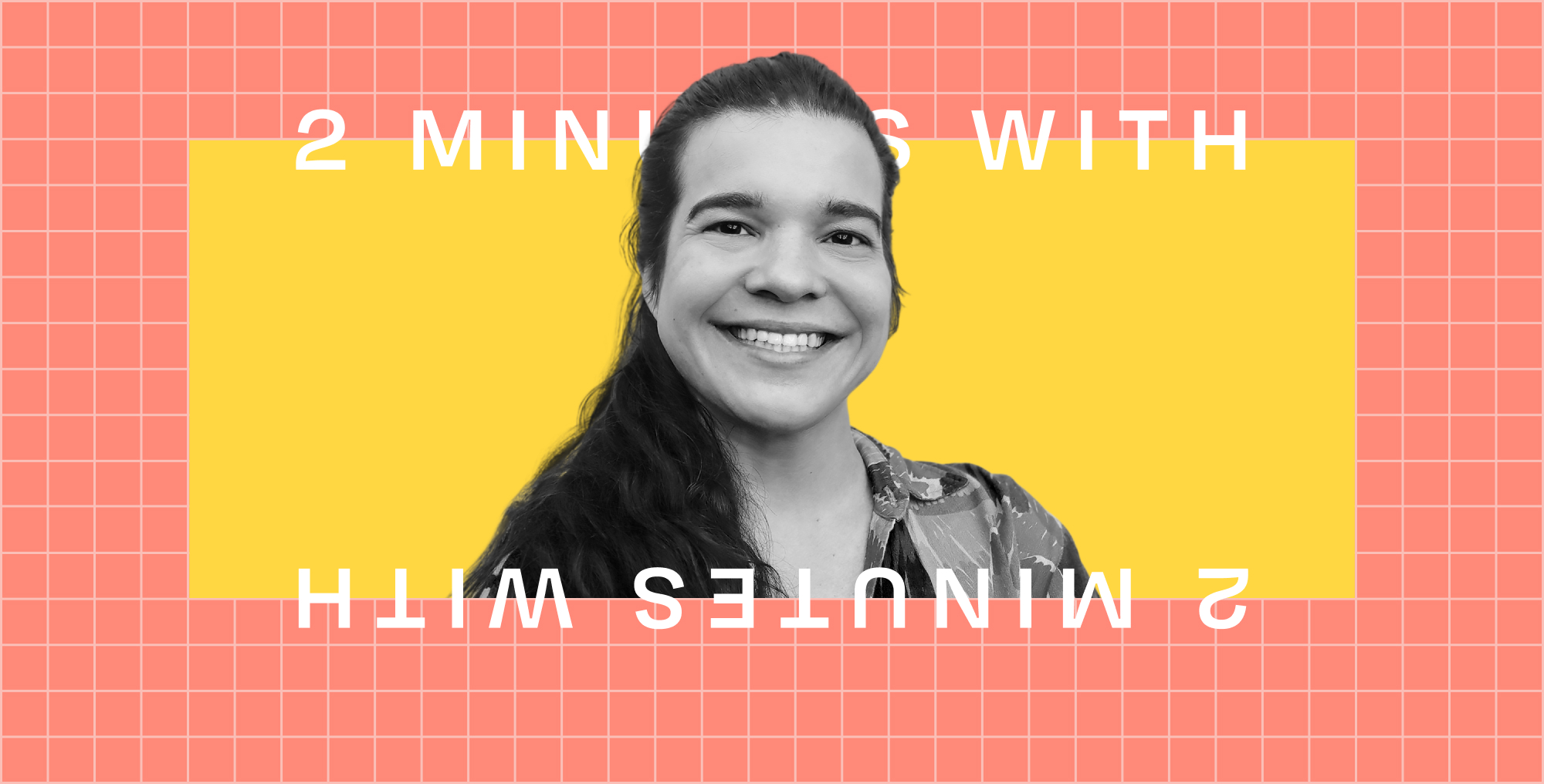
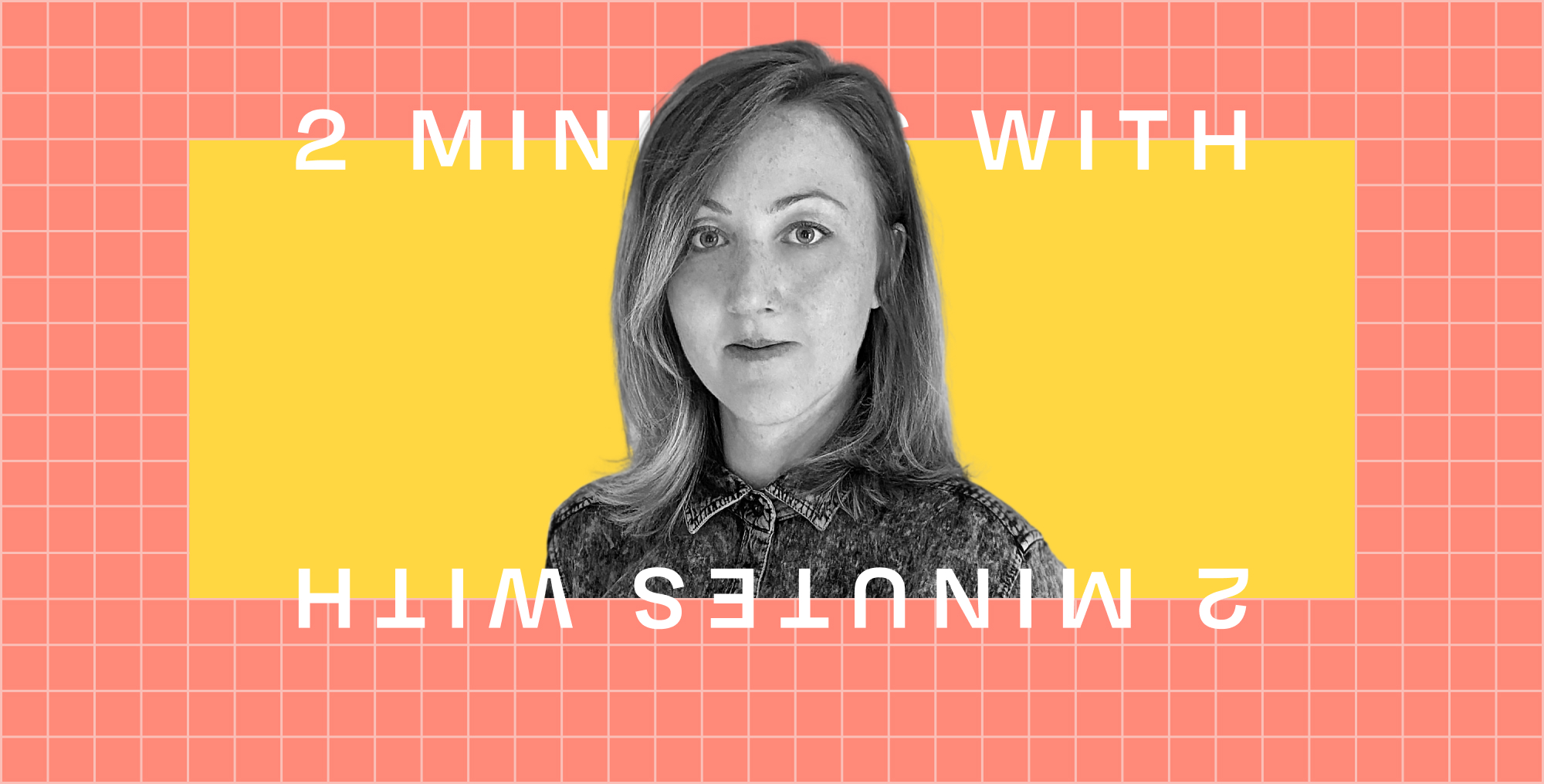
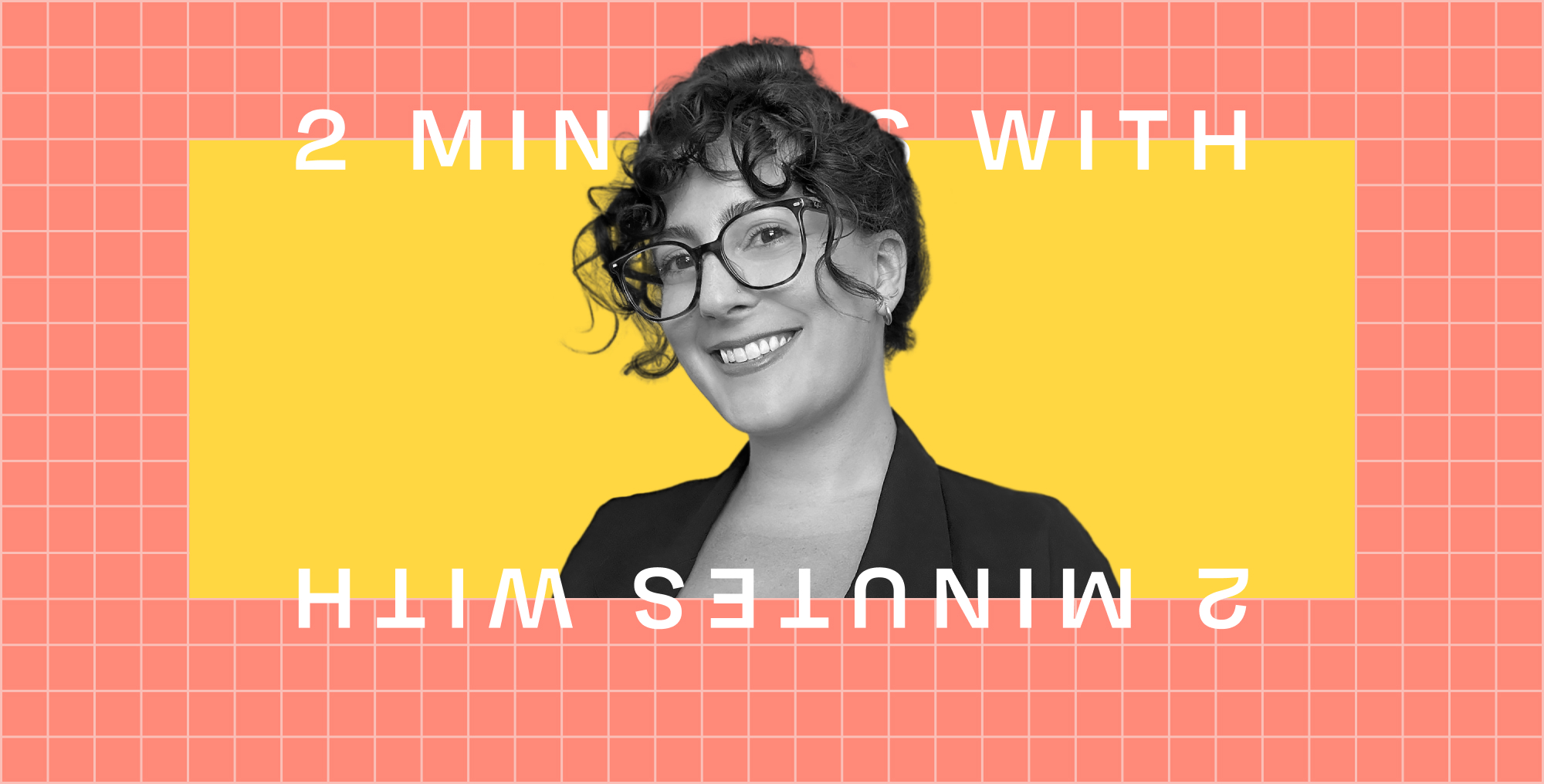
Two Minutes With Sierra Sessions

Sierra Sessions (she/her) embodies a rare combination of tip-top organization, clinical curiosity, a wicked sense of humor, and a disarming presence that makes anyone feel at ease. It’s what helps her approach her role as an account supervisor with a future-leaning, holistic mindset. We sat down with her for two minutes to dig into her thoughts on the best ways to leverage an agency partner, how to set goals you can actually reach, and the common branding mistakes B2B tech brands should avoid:

    1. What are the qualities that make an agency a good partner?

      The best partners are proactive communicators who combine deep industry knowledge with operational excellence. But knowledge only matters if you share it clearly and proactively. I make sure clients always know where projects stand, what risks we’re mitigating, and how our work connects back to their business goals. A great agency should feel like an extension of your team who is genuinely invested in your success.

    2. What advice would you give marketing teams around setting effective goals?

      Anchor goals in business outcomes over vanity metrics (like search impressions, open rates, page views, etc.) and give them time to play out. In B2B specifically, it can be tempting to chase short-term wins, but in today’s market, long-term, mission-aligned strategies are the ones that break through. I usually recommend a “crawl-walk-run” approach: monthly KPIs the team can directly influence, quarterly milestones to track momentum, and annual targets tied to revenue goals. Patience and persistence pay off.

    3. In your experience, what are some common branding mistakes that B2B tech companies make, and how can they avoid them?

      Two big ones: separating brand from go-to-market strategy, and failing to execute consistently. Companies should bear in mind how their brand supports real sales conversations and revenue strategy, how consistent internal adoption is, and how it works cross-functionally; your brand should support product teams’ storytelling and sales teams’ ability to differentiate from competitors. We can create the most powerful branding and positioning, but if it’s not used or if it’s implemented improperly, we’ve wasted a lot of time on something superficial. My job is to help define and operationalize these key elements to avoid that.

    4. In your role at Block Club, what are some of the ways that you support B2B tech companies, especially those who may have limited experience working with content marketing agencies?

      A lot of B2B tech companies know they need content marketing but either aren’t sure how it fits into their broader funnel or struggle with what realistic expectations look like. I help set up timelines, performance measurement, and ROI goals while aligning stakeholders across sales, product, and leadership. We work with our clients to build roadmaps that facilitate cross-functional alignment, setting clear definitions of success and consistent brand messaging across the organization.

    5. How do you measure the success of a B2B tech brand strategy? What KPIs do you suggest companies track to assess their progress?

      I recommend looking at performance holistically. Brand awareness matters, of course, but I also want to hear about whether your brand is making an impact. Are the sales cycles getting shorter? Win rates improving? Prospects returning with a full understanding of value? For B2B tech, track metrics like how much of your pipeline comes from brand-driven channels and what the quality of those prospects are. The best brands both generate awareness and attract better qualified customers who are easier to close and more profitable to serve.

    6. Do you have any tips and tricks for staying organized in your role?

      I stay proactive rather than reactive, planning ahead to ensure that the work we do ladders up to the client’s larger business goals. At the end of the day, we’re here to act as true strategists and consultants to our clients—both when it’s time to iterate and expand tested ideas and when it’s time to pivot tactics before we hit a roadblock. My role is to be a trustworthy thought partner, keep all teams focused and accountable, anticipate (and overcome) hurdles, and ensure nothing slips through the cracks. Easy!

Blog

How Our Alignment-Based Approach Yields Better Results for Your Brand

Block Club prides itself on being an extension of your brand. But just how are we able to achieve this? What makes us different from other branding and strategy agencies? How are we able to produce results that continually surpass our clients’ expectations? 

Well, for starters, there are two key terms that characterize our process: holistic and high-touch. We plug into your existing brand or the idea of the brand you’re trying to create and then express that unique identity through the strategy, content, and visuals we produce. 

This hands-on approach serves to help you attract the right customers and keep them consistently engaged. It also helps us ensure your satisfaction. Before starting work on any project, we make sure we’ve interpreted your vision correctly by adhering to a series of practices designed to rally our teams around a shared understanding. The end result is a synthesis of your team’s vision and our team’s expertise.  

Here’s how we get there.

Discovery Sessions

No matter the client or industry, every project at Block Club begins with a discovery session. 

These sessions serve as the catalyst in our relationships with clients, helping us gather the necessary information to understand the business and needs we’re servicing. Some of the questions we look to answer in a discovery session are: 

  • Who are your existing customers, and who are your aspirational customers?
  • What are some misconceptions about your brand that may cause friction in the sales process? 
  • What is your vision for growth in the next year, three years, five years, ten years? 

Questions like these help us gain an understanding of what’s at the core of your brand and inform all manner of projects. Whether we’re supporting a client by building out a new brand identity or creating sales-enablement materials, the information yielded by discovery sessions allows us to craft a strategy tailored to your exact needs. We can then go about designing brand materials that send a clear message, combat misconceptions, and ultimately help your brand achieve its vision for the future.

Alignment and Building a Foundation for the Future

At Block Club, we know from experience that the sooner everyone on a project gets on the same page, the better. With this in mind, we put a tremendous effort into an alignment process that brings our team closer to our client’s team—and closer to the end goal. 

We might sit in on meetings or meet one-on-one or in small group sessions with key stakeholders to build an understanding of your brand’s foundation. And in cases where a brand foundation isn’t clearly established, we help you build one.

This approach allows us to keep all parties hyper-aligned. 

Furthermore, in those scenarios where we’re creating (or refreshing) a brand’s foundation, we’re helping to establish a guide that informs not only the work we are scoped to produce for you but how your brand grows moving forward. 

Transparent Communication and Ongoing Alignment

Aligning all parties at the onset of a project is a necessary step. Keeping them aligned throughout is just as important. 

That’s why Block Club keeps you involved at all points of the creative process. Open lines of communication between client and agency encourage a constant flow of feedback. It also ensures that we are continually up to date on your expectations as we move through project stages. 

For long-term projects and retainer relationships, we hold regular realignment sessions. We understand that culture and business drivers can change quickly, and this approach allows us to make sure the work we produce continues to represent your brand in the best way possible. 

More Than an Agency, an Extension

At Block Club, we use the term agency loosely. We really see ourselves as an extension of your team. That means, regardless of the size of your business, you can expect a relationship that is high-touch and transparent. 

Many of our clients feel comfortable exchanging ideas with us in true partnership and counting on our expertise to drive their business forward. That’s because our approach goes beyond simple content creation or project-based outcomes. 

We’re here to understand every aspect of your business, approaching your brand with a more holistic view to make sure we serve the entirety of your organization’s goals.

Blog

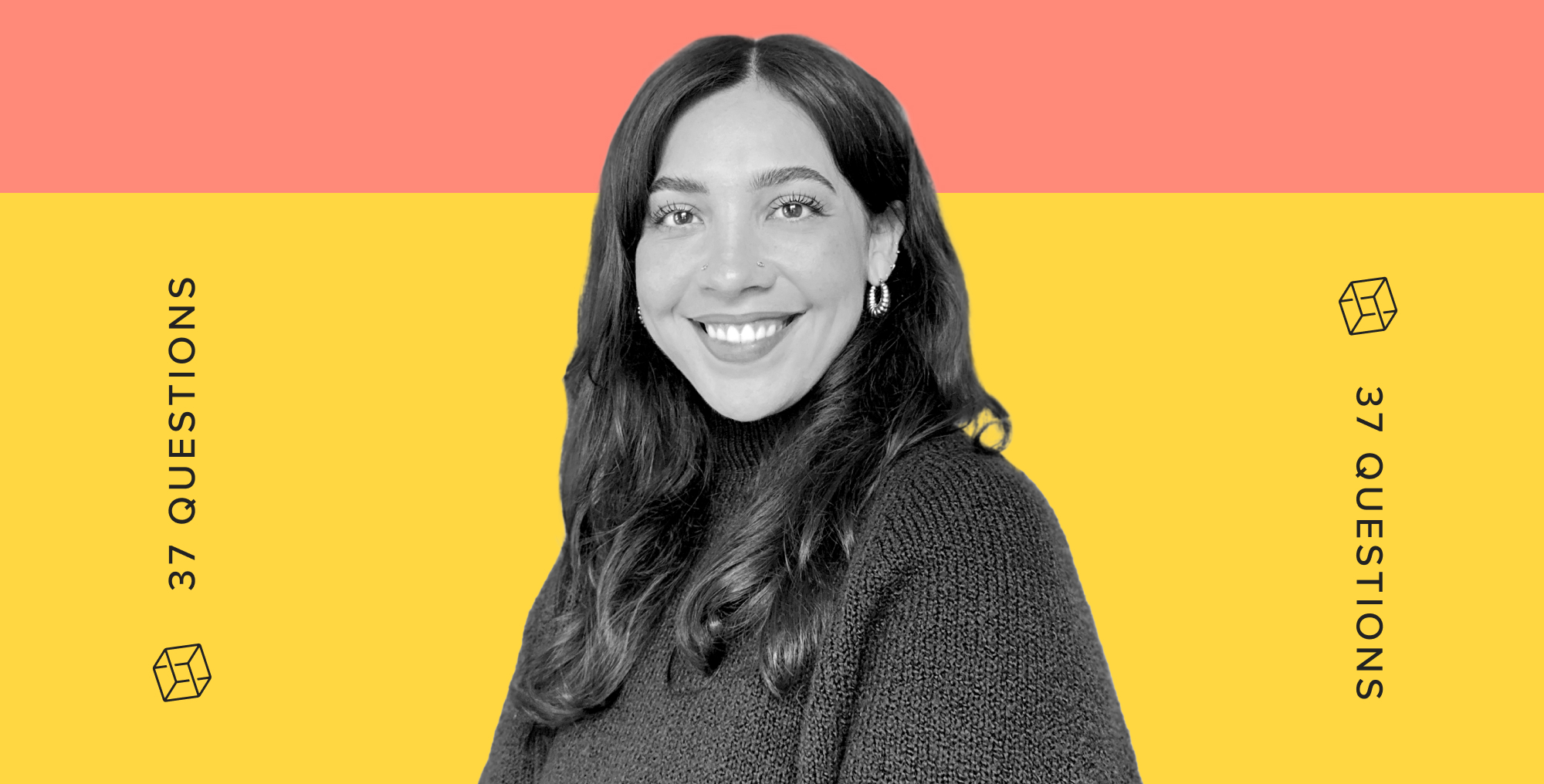
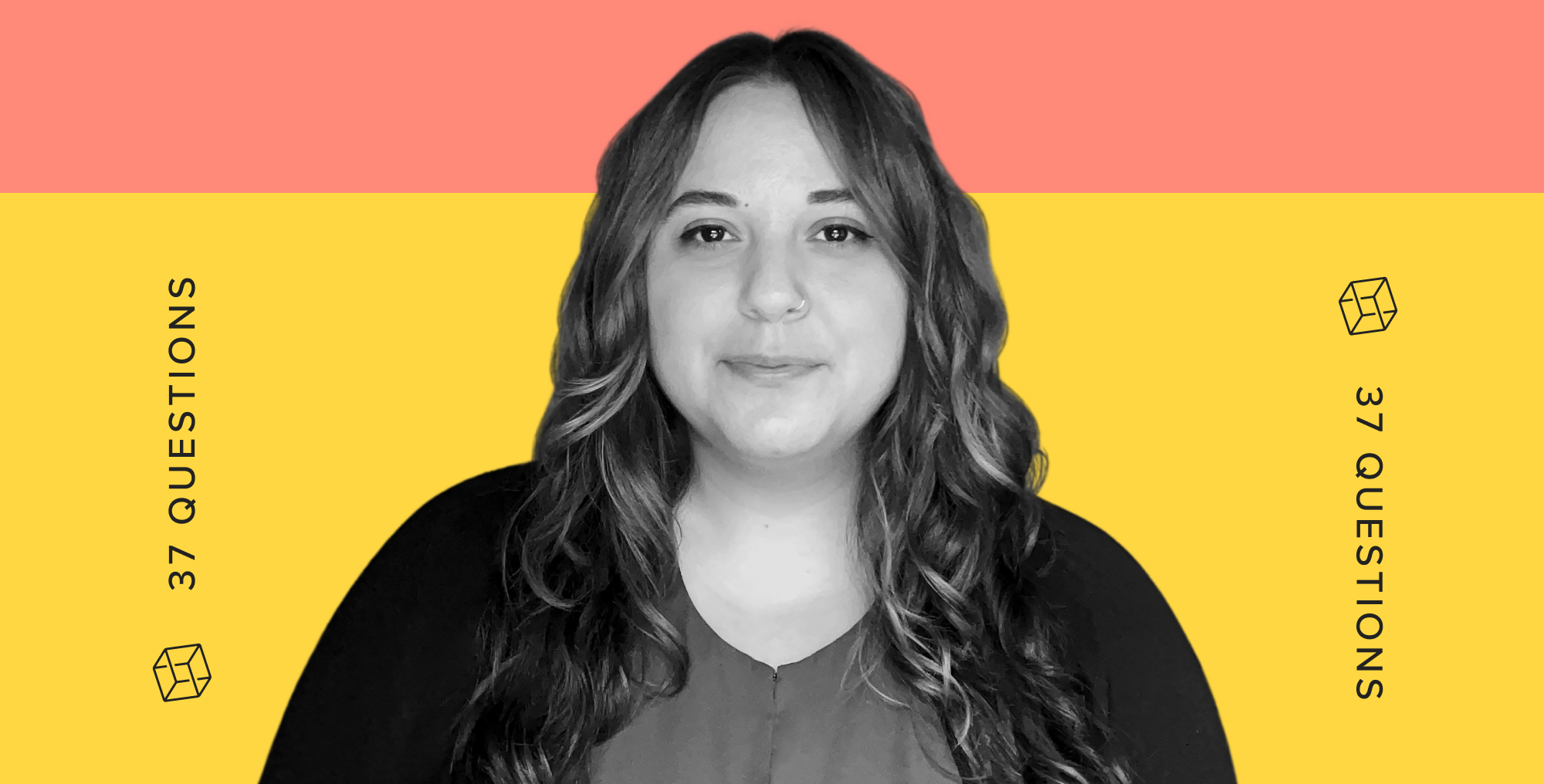
37 Questions with Sierra Sessions

Originally published in July 2025

Sierra Sessions is someone you want in your corner. As an account supervisor at Block Club, she’s part strategist, part creative partner, and part client confidante—always bringing energy, clarity, and a solutions-first mindset to the table. Whether she’s collaborating on a brand launch, leveling up internal processes, or helping clients find new ways to connect with audiences, Sierra always shows up with thoughtfulness and heart.

When she’s not orchestrating seamless client experiences, you can find her journaling, throwing frisbees to her dog Sully, or playing rugby with her local women’s team. In this edition of 37 Questions (our twist on Vogue’s 73), Sierra shares her insights on embracing change, being a “procrastinating perfectionist”, and the power of kindness.

  1. What is your role at Block Club, and what does it entail?

    I would describe my job as being a trusted advisor and strategic partner to clients. As an account aficionado, I’m not only responsible for ensuring we’re set up to meet the mark internally, but that the work we’re identifying and delivering on aligns with our clients’ marketing objectives and overall business goals.

  2. Do you have any rituals that help you start the workday right?

    My non-negotiable before-work ritual involves waking up early, making the bed, at least an hour of movement at the gym, a functional (non-psychoactive) mushroom tincture, and journaling outside with hot coffee while I listen to birdsong and throw a frisbee for my dog Sully in the morning sun.

  3. What’s for breakfast?

    More of a brunch, but I usually eat something hearty and high in protein. Always includes eggs and some sort of leafy green. Definitely too much butter.

  4. What’s the most interesting thing on your to-do list today?

    I’m currently taking a course to learn more about how to use AI for problem solving and how it affects the role of marketers. There are some really cool masterclasses out there about leveraging AI and how to effectively incorporate it into daily work across verticals. Really makes the quote, “AI won’t take your job, but someone who knows how to use it will,” ring true.

  5. How did you end up in marketing? Was it always the plan?

    Not so much a predetermined plan as it was a natural evolution. I first developed my chops in client services by joining as the third person at a SaaS startup and solving problems in product management with creative and sometimes unconventional solutions, which required me to develop a deep understanding of consumer behavior, communication strategies, and market dynamics—all core elements of marketing. Once I learned to anticipate demand and promote solutions effectively, the transition to marketing was a natural progression.

  6. What’s something about your job that energizes or inspires you?

    That would be my professional evolution from a prescriptive, formulaic digital consultant into a creative thought partner. I love being able to help clients with their brand development in a more hands-on way—from identifying the need firsthand, collaborating with my internal team to make it happen, and then seeing that concept exist out in the wild (and watch it perform well) feels really energizing.

  7. What’s your silliest irrational fear?

    I believe all my fears are rational, but the silliest one is probably chickens. Don’t let one get near my Achilles tendon.

  8. What do you think makes a great client relationship?

    Being someone your client actually wants to work with! I’m a firm believer that you have to actually like the people you talk to every day, so finding things you can relate to each other about and cultivating trust means your client (and internal team) feels comfy reaching out to you for anything, which makes for efficiently run projects and a more fun work day, in my opinion.

  9. What’s a brand or public figure you admire for how they show up?

    I really like how Tonya Papanikolov, the founder and face of Rainbo (the tinctures I was talking about earlier), shares her knowledge about the benefits and science of mushrooms, how she’s positioned her brand through Instagram, her podcast, and her “reset” retreats, and the rate at which she’s (mostly organically) grown her company in about six years. I admire her dedication to making an impact through community initiatives like forest restoration, women’s empowerment, and funding for Indigenous communities, to name a few. She’s branched out her marketing tactics in ways that feel authentic and inspiring for a CEO today. Plus I like a little “woo” with my science and activism.

  10. Can you tell us about a city or destination that’s shaped you in some way?

    Wilmington, North Carolina! I moved here in late summer of 2021, all the way from Salt Lake City, Utah, to follow an inner-nudge (that turned into a yell) and buy my first house by the beach, and I can’t even express the ways in which I’ve grown with this place.

  11. What’s something that always makes you laugh at work?

    Seeing my colleagues’ responses to “watercooler topics” in Slack, which is basically just various questions Rachel submits that the Slackbot regurgitates. I love an inside joke.

  12. What’s your go-to productivity trick when you’re in a rut?

    Purge-writing/brain-dumping. Even when I think I have no solution and nothing to say, it’s my morning ritual to fill out at least one page in my journal. Almost every time, I will resolve a problem I’m having by dumping all my thoughts onto paper in time with my pen. We already have all the answers, but I think hearing them requires taking the time to slow down and listen, even if it comes a few days later. You can’t think faster than you can write.

  13. What’s one lesson you’ve carried with you from a past job?

    To let people, processes, and companies change. Working in this industry requires adaptability—not just to trends and technology but to cultural shifts, leadership, ways of working, personal developments, etc. Learning to become a more flexible person has not only helped me extend more grace to others while they navigate their own (personal or professional) shifts, but also to think outside of the box when things become stagnant. Growth and evolution rarely follow a straight line, so I’ve learned to meet (and even embrace) change with curiosity over resistance.

  14. What’s your favorite campaign (yours or someone else’s) of all time?

    Nike’s “Dream Crazier” campaign. I still think about it. As an avid feminist and athlete, the video and all around messaging addressing the gender gap and double standard in sports (and elsewhere) stuck with me. Such a powerful example of inclusive, emotionally resonant, and successful social media marketing.

  15. What’s one thing you’ve learned about yourself in the last year?

    I’ve very recently learned that I am a “procrastinating perfectionist.” I’ve just finished reading The Perfectionist’s Guide to Losing Control by Katherine Morgan Schafler and it was super empowering. I’ve been working to apply the lessons from the book to every facet of my life, and it feels both like celebrating my particularities and not waiting for a special occasion to light the nice candle anymore. I might not ever be able to decide on a paint color, but you can bet your bottom dollar I’ll help you achieve the highest quality output where it matters.

  16. How do you unwind after a long day?

    A non-negotiable ~2 mile neighborhood walk so Sully can sniff out the latest “hot goss” that other dogs leave behind on bushes and fire hydrants. Walks are to dogs as scrolling is to humans.

  17. What are you into outside of work right now—any hobbies or creative outlets?

    I play flanker on my local women’s rugby team, and I volunteer with a horse ranch that provides equine therapy to people with special needs. I’m also into strength training, camping, walking in nature, reading, cooking, and, most recently, gardening—but I’m not very good at it. Can’t wait to have a super sketchy salad in about two months.

  18. Do you have a favorite way to spend a Sunday?

    Usually house chores like groceries and mopping. Nothing beats a stocked fridge and clean floors.

  19. What’s the most adventurous or unexpected thing you’ve done?

    Sell all my belongings and move across the country with no plan and less than three months notice

  20. What’s a piece of advice that’s stuck with you?

    OMG, so many. The first to come to mind is the question, “how are we to treat others?” Ramana Maharshi says, “there are no others.” I really love the notion of people and experiences being reflections of your inner world.

  21. What’s something small that brings you a lot of joy lately?

    Might be the mushrooms talking (kidding), but I just love being outside in nature. I try to spend as much time as possible in the backyard or on the beach or in the forest—anywhere surrounded by trees or bodies of water!

  22. What’s a song, book, or show you can’t stop recommending?

    I’ve been loving the shows Shrinking, Hacks, Somebody Somewhere, and Love on the Spectrum lately. I have too many books. My top recent reads for personal development: Eastern Body, Western Mind by Anodea Judith, Braiding Sweetgrass by Robin Wall Kimmerer, All About Love by bell hooks, Women Who Run With Wolves (a classic) by Clarissa Pinkola Estés, plus a handful of fictional thrillers.

  23. Have you ever gone viral?

    Unfortunately, yes, about a decade ago…Google “Sierra Sessions grandma.” That very choice haircut of mine lives on the internet forever now, all because I love my grandma and didn’t have a private profile. Lessons were learned.

  24. What would you tell someone who wants to go viral?

    I only know how to do it accidentally. Otherwise, I’d probably tell them to just be themselves.

  25. Do you have any weird talents or party tricks?

    No, but Sully has about 15. He brings me a pair of sweats every morning on command (my personal favorite).

  26. What’s your go-to karaoke song (or car karaoke jam)?

    For karaoke, it’s usually some angsty-girl-rock like Joan Jett, Alanis, Blondie, Cranberries.. But in the car I’m singing every single song across multiple genres for the entire drive! LOL. I’m super fun on roadtrips.

  27. What’s your most-used emoji?

    The hug (love you) or the devil horns (rock on)

  28. What’s your comfort food (or favorite takeout order)?

    Grams’s homemade fried chicken, gravy, mashed ‘taters, and fresh, local corn

  29. What’s your favorite way to get inspired creatively?

    Be around other people. I tend to be a bit of a homebody, so when I find myself doing the same thing over and over or getting blocked, catching up with a friend or working at a coworking space and just hearing other peoples’ thoughts gets my wheels turning again.

  30. What advice would you give to someone just starting out in client services?

    Be yourself, own your mistakes, and try to learn something every day. Remember that nobody knows it all.

  31. How do you approach giving tough feedback—whether to a client or teammate?

    By being objective and taking any personal feelings out of it. I always try to look at a situation from the other person’s perspective and give the benefit of the doubt, but I always communicate where I’m at and how the work could be affected first.

  32. What’s something you’ve changed your mind about recently?

    Podcasts (and podcasters). I like them now.

  33. What’s a tool or platform you use every day and swear by?

    The Apple Notes app. I have notes dating back 5+ years. It pretty much contains every thought and to-do/grocery/invitation list and dream I’ve ever had.

  34. What’s a misconception people often have about your job?

    I think a lot of people assume that account managers are just PMs or people who only schedule meetings and build project timelines, but there’s a much more significant relationship-building, strategy, and business growth aspect that goes into this role.

  35. What’s a personality trait you’ve come to really value in teammates?

    Kindness. The people who are definitely the smartest ones in the room, yet they’re still able to learn from others or see a different way of doing things. I admire those who compliment other people on their accomplishments and give credit for their ideas without expecting anything. There’s no ego involved, and it really does feel like we’re working towards the same goal—like a true team—which has a ripple effect!

  36. What’s your ideal vacation vibe—packed itinerary or no plans at all?

    I like to have a general sense of what I’d like to do or see each day—like a hike or something active, a nice restaurant, etc—then tool around and go with the flow exploring for the rest of it.

  37. What’s a trend (in culture, design, or marketing) you’re loving right now?

    Responsible marketing practices like ethical AI, data privacy/GDPR, DEIB, and digital accessibility to name a few. I will always be passionate about creating a more just internet that not only bolsters a purpose-driven economy but works toward a hopefully climate-neutral and sustainable technical future for all.

Blog

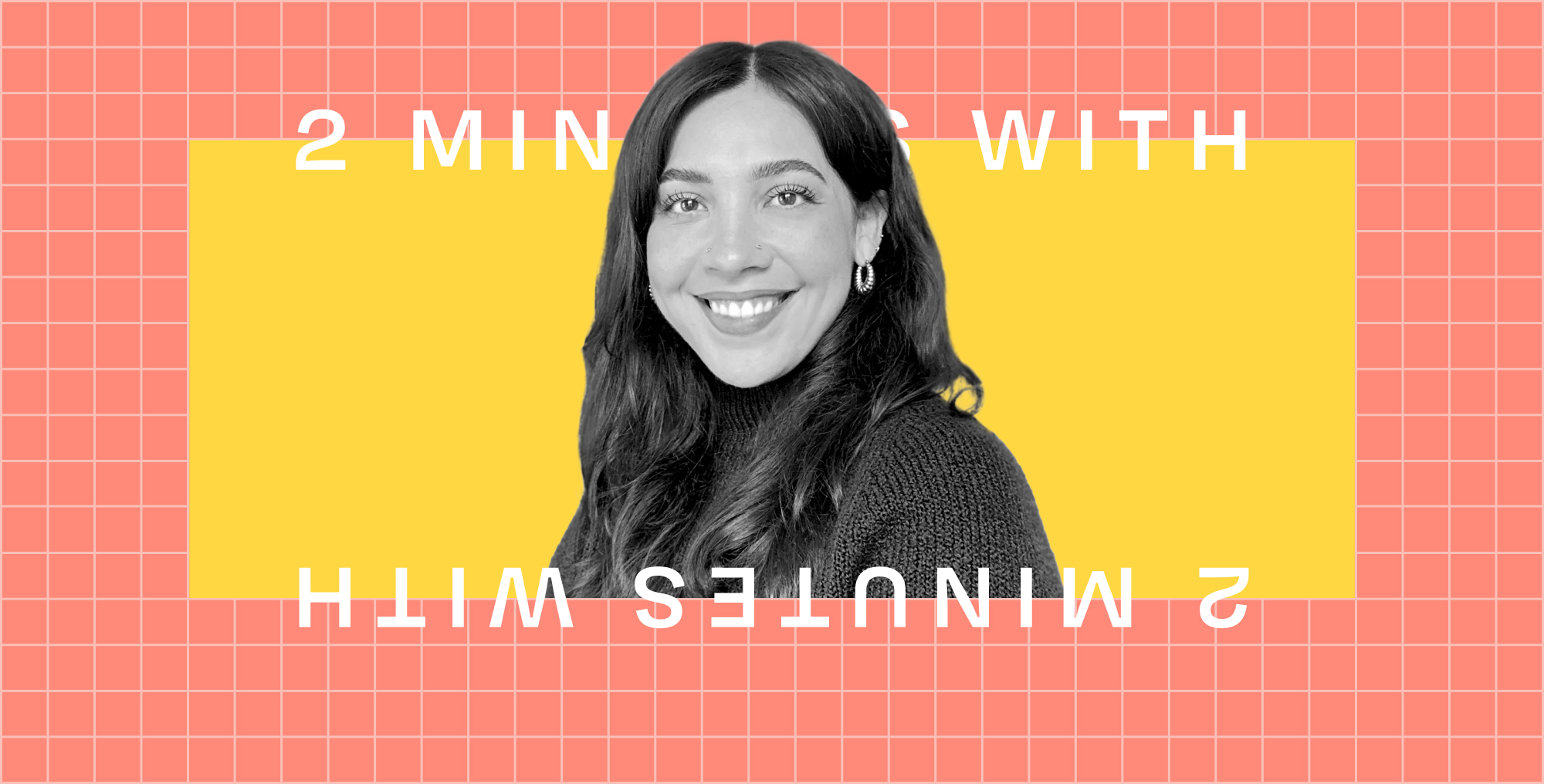
Two Minutes With Brandon Davis

Brandon Davis (he/him), co-founder and CCO at Block Club, has been at the helm of our creative team since our founding. His knack for crafting cohesive, memorable, and globally resonant brand identities has helped trailblazing B2B tech companies establish strong market presences and unique vision. We spent two minutes connecting with Brandon on Block Club’s creative philosophy, brand development, and client collaboration:

    1. What is the key to building trust and credibility with B2B tech clients?

      We understand the immense pressure our clients are under. Our job is to bring them ideas, work, and follow-through that will propel their brand and their own careers forward, while being a steady rock that they can rely on.

    2. What are some of the most common branding challenges facing B2B tech companies today, and how do you help them overcome these hurdles?

      I notice a lot of tech brands use language and visuals that are too focused on their products and features and not on the emotional benefits that make life easier for the people who use them. 

      We like to help our clients adopt a B2P (business-to-person) mindset that sets them apart by appealing to human emotion. When your audience feels heard on an emotional level, it creates instant connection and centers a prospect’s unique pain points. Then, they’re more likely to take the next step.

    3. How do you scale branding services for B2B tech clients without compromising your approach and quality?

      At Block Club, our mantra is “exceptional only.” We can only meet that standard if we attract and retain great people. I’d rather be on the smaller side and produce exceptional work than be on the larger side producing work that’s so/so.

      We are very intentional about hiring senior-level folks who can deliver at a high level, which means that we can be super impactful with a small team. This bridges the gap between our size and our output, even as we scale. By prioritizing experience and expertise in our hiring, we ensure that our growth never comes at the expense of the exceptional quality our clients expect.

    4. When it comes to branding and marketing, where do you see the greatest untapped opportunities for B2B tech companies? How is Block Club positioned to help clients capitalize on these areas?

      Historically within the B2B space, a lot of brands have opted to play it safe, and while that’s starting to change, the industry has a long way to go. Just because your customer is another business, it doesn’t mean you need to be stuffy. At the end of the day, we’re selling to people. 

      Our roots as an independent community magazine are grounded in storytelling. We’re adept at finding the point where your special something intersects with the need of your target audience. As an agency, we use those skills to help B2B tech companies take their brands to the next level. 

    5. How has your advocacy work, including your commitment to creating safe spaces for the LGBTQ community, influenced your leadership style or the culture at Block Club?

      As a gay man, I feel a moral responsibility to do what I can to uplift and support others on the LGBTQ+ spectrum, especially those who are the most marginalized. And that mindset is why we’ve embraced a servant leadership style at Block Club for years. Every day, it’s our goal to lead with compassion and to foster and maintain a work environment where our team feels supported and empowered to thrive and do their best work.

Blog

Two Minutes With James Richter

Don’t box James Richter in! James (he/him) is one of Block Club’s senior copywriter and content strategists, with a diverse background that blends journalism, banking, content marketing, and filmmaking. His deep experience working with tech, finance, and B2B companies primes him for strategic, yet out-of-the-box thinking that benefits both our internal team and our clients. In just two minutes, James breaks down his thoughts on helping clients find the right format for content, how to leverage video, his hot take on the evolution of SEO, and more.

    1. You began your career at a boutique investment bank. How has that helped shape your journey into B2B tech content writing and strategy?

      I got both a very broad and detailed introduction to the world of finance, and I think that more than anything, it gave me the confidence that I could learn how any industry operates. That’s served me well as I work with companies in many different industries. And luckily for me, there are a lot of fintechs that can use help with their content strategies.

    2. How do you determine what formats of content are best for clients? Is there a type of client that is more suited to starting a podcast versus focusing on blog posts, whitepapers, email, etc.?

      I always start with a client’s goal. We need alignment on that before we can create a strategy.

      If the goal is awareness, we have a large budget, and we’re operating on a longer timeline, then we might explore a podcast. Or we might find we’d get greater ROI by sponsoring a podcast where the brand’s audience is already engaged.

      But let’s say a company’s goal is website conversion. If they don’t have informative reports, ebooks, or whitepapers that their target audience would trade their email address for, then I’d recommend we start creating those before we explore content like a podcast.

    3. You’re a big proponent of video. Are there scenarios where video can be most impactful for B2B tech brands?

      Everyone should be thinking video-first at this point. It’s just so much more engaging than text. But there’s a reason that many don’t—it can be resource-intensive! So how can B2B tech brands make the most of an investment in video? Use each video everywhere you possibly can.

      Start with a single video, then repurpose the content into a blog post, a shorter cut for socials, and promotional social posts—you now have three video-first pieces of content for your audience. Measure the impact, then pick another video topic from your list, and do it again.

    4. SEO is constantly evolving. What’s important to understand about SEO now, and where do you see it going?

      Thanks to GenAI, organic search is transforming, and SEO-driven website traffic will take a measurable hit. Companies that continue to create SEO content will find that it won’t get them the results that they’re used to.

      Instead, social media optimization (SMO) will be the new SEO. And that has nothing to do with hashtags and everything to do with creating on-platform, human-first content that makes people stop scrolling and engage. That’s something they won’t get from an AI chatbot or search engine.

    5. As a copywriter, what advice do you have for creatives trying to navigate AI and use it in client work?

      AI unlocks an incredible opportunity to make content more interactive. Instead of reading a blog post, you can converse with it.

      With AI, your audience can provide inputs to receive a completely customized experience. The key will be training the AI on the brand’s POV, data, and voice and then finding hooks to draw audiences in, make it engaging, and give them something valuable they wouldn’t find anywhere else.

Blog

Two Minutes With Isabella Steele

Isabella Steele (he/they) is one of Block Club’s senior copywriter and content strategists—and a truly original thinker, to boot. He pulls from his unique experience as a working visual artist, vanguard user of AI technology, and master of diverse writing styles to craft strategy-forward content as an invaluable extension of our clients’ teams.

We caught up with Isabella for two minutes to chat about how to blend creative and analytical thinking, what makes clients feel heard, and the right role of AI in B2B tech content.

    1. As a talented visual artist, as well as a seasoned copywriter and strategist, how does your ability to tap both the left and right sides of your brain make you well-suited to your work at Block Club?

      Content connects people with ideas, and right-brained functions like spatial awareness can fast-track this process. It’s how poetry works, right? Words are just clean lines, but with shapes and sounds, they stick. Transcending a medium’s limitations in a memorable way is what brings a brand’s message to light.

    2. Can you share an example of when your unique perspective was an asset to a client?

      Six months after Alloy’s State of Fraud Benchmark Report launched, I saw an opportunity to extend its impact by creating an infographic that positioned them alongside new data by market research leaders. This re-contextualized their findings, boosted their authority in a digestible format, and made for engaging LinkedIn content.

    3. What do you think the biggest misconception about B2B tech content is?

      That AI can take over content entirely. Yes, AI can help scale production and streamline processes—but it hasn’t had a single original idea. It just predicts responses based on existing data. With everyone relying on the same predictive references, AI will help you keep pace, but it won’t make you stand out.

    4. How do you make sure clients feel heard? How do you build trust with a new client?

      I champion our clients’ curiosity and value their expertise. I immerse myself in understanding their vision and market position so I can be a thoughtful partner. My goal is to make clients feel seen, and to guide them in a way that reinforces trust not only in me, but in themselves.

    5. Is there room for more right-brained thinking in B2B tech marketing?

      Absolutely! My favorite part of B2B tech marketing is the world-building element—expanding your buyers’ sense of possibility and encouraging openness to new ideas. Creative pursuits like painting or reading enhance your understanding of storytelling, form, timing, and empathy. These creative skills shape marketing intuition and help you understand subtleties, making for more authentic connections and smarter solutions.

Blog

Two Minutes With Rachel Segal-Sklar

B2B marketing has long been considered the buttoned-up counterpart to B2C—but, really, B2B content can be just as creative and engaging. No one knows that better than Block Club senior copywriter and content strategist Rachel Segal-Sklar, whose work for B2B tech clients is enriched by her experiences writing for the entertainment industry, the art world, and beauty and interior design brands, among other roles.

In this short interview, we chatted with Rachel about her writing process, how she keeps pace with an unpredictable tech environment, and how she keeps clients on track to meet their long-term goals.

    1. You have a lot of experience writing for the entertainment industry—comedy in particular. What skills from that world have you carried over into your writing for B2B tech?

      There’s more overlap between comedy and B2B tech than you’d think, but one strong example is writing with a target audience in mind. With comedy, much of what’s funny is relatability, so getting specific helps your writing land. The same is true for B2B tech—you need to speak to the unique needs and experiences of your audience, or you grow irrelevant, and your content won’t convert. In both worlds, going broad is often the wrong choice.

    2. What tools or resources do you use to guide your strategy and writing process, and how do they help you create more exceptional content?

      People are my greatest resource. I’m a collaborator at heart and love to bounce ideas off of others. It can help me break through writer’s block or provide a perspective that I hadn’t considered before, making my content more well-rounded. I also find that people are the most reliable resources to point me toward other vetted tools or research sources.

    3. How do you stay ahead of industry trends and keep your content fresh and relevant in a rapidly evolving tech market?

      Read, read, read. I try to read everything. I subscribe to newsletters, follow interesting brands on LinkedIn, and monitor what’s trending in the trades. It’s also helpful to have conversations with folks in different marketing areas, like social media or digital, to discover what they’re seeing on the ground as they run their own campaigns. Basically, I try to keep an eye on as many sources as possible to figure out what the next big trend will be and get our clients out at the forefront. 

    4. Why do you think it’s valuable for B2B tech companies to invest in a long-term content strategy?

      When you’re getting into the content marketing game, you’ve got to be invested for the long-haul if you want to see meaningful results. Most brands start to see the first signs of ROI around the six-month mark, once SEO and other strategies have had a chance to gain traction. As time passes, their content marketing activities will compound and continue to drive results. But, as with all good strategies, consistency is key—use it or lose it.  

    5. How do you collaborate with clients to ensure you’re meeting key business goals?

      Open dialogue is essential to making sure you and your clients are on the same page and that the business objectives they’ve outlined are: a) the right aims for them at the right time and b) achievable with the strategy we’re building together. Then, I keep lines of communication open as campaigns and content assets launch to figure out what’s working, what isn’t, and how to adjust. With frequent alignment, you always have a north star guiding you to ensure you’re moving toward your goals.

Blog

Two Minutes With Julia Bozer

Julia Bozer (she/her) is Block Club’s associate director of strategy, developing impactful content strategies and creative copy that get our clients noticed. Below, in just two minutes, Julia shares her insights on the links between academia and agency life, how to approach brand messaging, and effective ways of measuring marketing ROI.

    1. You came to Block Club with a PhD and a background in academia. How has that shaped your approach to content writing and strategy?

      Much of what I do at Block Club—like crafting thought leadership through careful research and distilling complex concepts into clear, engaging copy—uses the same muscles I developed writing scholarly papers and teaching intro-level courses.

      My area of study was modern and contemporary art, but I always took an interdisciplinary approach. I think that experience of tackling a problem from many different angles and considering many different perspectives has also helped me make compelling cases for our clients by taking a variety of shareholders’ needs into account.

    2. When it comes to brand messaging, is there a sweet spot you aim for between research and creativity?

      I don’t think the two are mutually exclusive. Research is itself creative; it uncovers new data and brings new discoveries to light. The trick is presenting research in a way that sparks people’s interest and inspires innovative ways of thinking. Brand messaging is just a way of packaging it all into polished, memorable statements that impart information and express a brand’s personality.

    3. What part of the job is most rewarding or satisfying for you?

      I think business leaders—especially in B2B tech—can have a tough time communicating the value of their brand on a high level. And that makes sense. They’ve often spent years in the weeds, fine-tuning the details of their offerings, and it’s hard to step back and take full stock of what they’ve built.

      It feels very rewarding to be able to step in, suss out their unique position, and deliver on-point messaging and content that brings all of their hard work together with a strong tagline, headline, or sales pitch opener.

    4. What’s a hot take you have on B2B SaaS marketing?

      This may be controversial, but I think leveraging advanced technologies like GenAI, tracking software, and SEO analytics is more about art than science. The raw data is undeniably important, but how it’s produced and applied matters so much more.

      It can be a difficult tightrope to walk when attribution metrics and demonstrable ROI are priorities, but putting out mediocre content for quick organic traffic wins isn’t a good strategy in the long run. “Soft” drivers like brand personality and equity are still essential—and just because they can’t always be measured in absolute terms doesn’t mean they’re not working hard behind the scenes.

    5. When working with a client, how do you ensure you’re becoming an extension of their marketing team?

      The key is to ask the right questions, meet with the right people, and get to understand their brand inside and out. Clients need to know they can turn to us to ideate and produce high-quality content that feels like it was created by their team. That’s what makes us not only a great agency, but a great partner.

Blog

Two Minutes With Molly Christman

Molly Christman (she/her) is Block Club’s superstar associate director of accounts. She skillfully prioritizes client needs while supporting our team and driving results across accounts. We grabbed a couple minutes with Molly to ask her some burning questions about what makes an agency a good partner, how to set effective goals, and recent work she’s proud of.

    1. What are the qualities that make an agency a good partner?

      Two things stand out most to me:

      Transparency: Keeping an open line of communication with clients earns trust and opens the door for collaboration. 

      Flexibility: Things can change rapidly for a business, so a good partner moves and grows with clients, helping them navigate uncertainty.

    2. Do you have any tips and tricks for staying organized as an associate director of accounts?

      Traditional lists forever. I like to see everything I need to accomplish outlined in one place. Things move quickly, so it’s important to jot requests and next steps down as they come through so I can make sure everything is tackled promptly. 

    3. What advice would you give marketing teams around setting effective goals?

      It’s important for marketing goals to ladder to a company’s broader business goals. When that connective tissue is in place, the value of marketing becomes clear. We often encourage use of the “SMART” (specific, measurable, achievable, relevant, and time-bound) framework when setting goals. 

    4. How do you think your background in communications and B2C content set you up for success in B2B marketing?

      At the end of the day, both B2B and B2C marketing revolve around understanding customer needs on a deep level. Historically, the “fun” was reserved for B2C marketing campaigns and initiatives. But folks in B2B are realizing that they need to appeal to real people who are consumers. (Block Club’s director of strategy, Caitlin Hartney, touches on that here). For example, we’re seeing the rise of the B2B influencer, based on a need to meet consumers where they are used to consuming content—and in forms that are most appealing to them.

    5. What do you think is the key to fostering an agency culture of collaboration and creativity?

      Building social connections, knowledge sharing, and having a shared vision. Vision is a big one. When a clear vision is outlined and understood by all, it ensures we’re all working towards the same goals. 

    6. What’s a recent project you were especially excited to deliver to the client?

      We recently completed a brand refresh project for our client Symmetry. They had a long-time brand mascot, Buttons, who was very important to the client. As part of the refresh, we gave Buttons a makeover, which was a fun extension of the larger branding strategy.

Blog

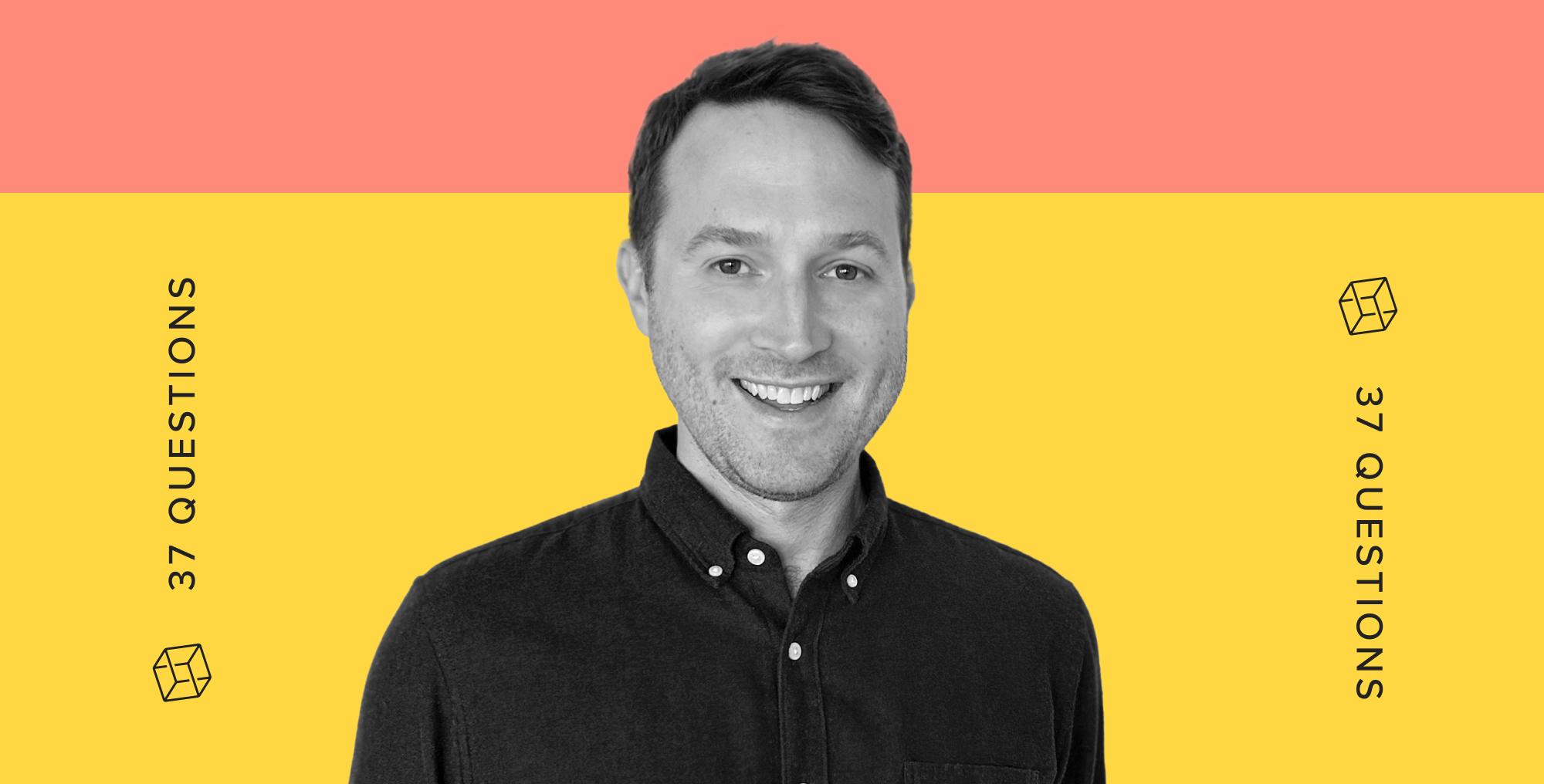
37 Questions with James Richter

Originally published in January 2025

Senior copywriter and content strategist James Richter has many years of experience in B2B tech and finance, having led content initiatives for some of the biggest names in each industry—but he still finds time to focus on his own creative pursuits. When he’s not enjoying the outdoors in and around LA, you can find him writing and directing short films, cooking up a signature dish, or perfecting his game of Pop-a-Shot.

In this edition of 37 Questions (Block Club’s take on Vogue’s 73), James shares his thoughts on emerging marketing technologies, hot tips for brands trying to get on influencers’ radar, and which racecar he’s dying to drive—along with dozens of other personal and professional insights.

  1. Can you walk us through a typical day in the life of James?

    I don’t know about typical, but here’s an ideal Saturday: In the morning, I have some coffee while I watch some golf or football, depending on the season. Then I walk Miles, my Shiba Inu, to the farmers market. In the afternoon, I meet some friends to play beach volleyball until the sun goes down. On the way home, I pick up In-N-Out and enjoy it at home in front of a good movie.

  2. What sparked your interest in fintech?

    I’ve always been interested in finance and technology, so naturally the combination of the two only stokes my enthusiasm. I’m continually amazed at how companies are building incredible back-end technology to power today’s financial tools. I’m also impressed by companies like Robinhood that are designing super user-friendly experiences to encourage market participation from people who otherwise might have stayed on the sidelines.

  3. Can you tell us about your experiences strategizing and writing for B2B tech?

    I began my career at a B2B tech agency in Chicago. As lead of the digital content team, I designed and oversaw the execution of content strategies across our clients’ websites, social media channels, and paid and earned media. I then moved to another agency as senior content director, where clients included large financial institutions like JP Morgan Chase, New York Life Investments, and Discover.

  4. What else do you like to write about?

    Outside of work, I’ve enjoyed learning the craft of screenwriting. It’s an immense challenge both logistically and creatively to map out a story and get it on the page using action and dialogue, but I find it fun and rewarding.

  5. Where do you turn for inspiration?

    I get the most inspiration out of conversations with other people, whether they’re old friends or people I’m meeting for the first time. I’ve found that the best insights and ideas come from those unexpected sparks and connections that are made when you’re just freely talking about any subject.

  6. Did you always know you wanted to be a writer?

    I knew when I was in college, as I was going through journalism school. I was never convinced that I wanted to be a journalist, though.

  7. Have you made any surprising career choices along the way?

    I made a risky one—to take a year off to explore some creative projects and reconnect with myself. I’m very happy I did.

  8. Can you tell us about any of the creative projects you pursued?

    I wrote and directed a short film. I had always wanted to make a movie, but I’d never directed anything before. I live in LA, and during the WGA writer’s strike, very few people in the film industry were working. So I was able to find some incredibly talented actors, camera operators, and other post-production folks to help me turn a short script I had written into an actual film. It was a crash course in how to make a movie, and I loved every second of it. It ended up screening at the Marina del Rey Film Festival, and it was really cool to watch it on the big screen.

  9. What is one thing you wish you knew in your first job?

    Getting big results means taking small, incremental steps every day.

  10. What would be your career in an alternate universe?

    Race car driver. I’ve never driven a race car, but I’m convinced that I’d be great at it.

  11. What would be your first-choice car?

    My dream car is a classic Porsche 911 Targa.

  12. What brands do you admire?

    Pixar, BMW, Jordan

  13. What do you do when you’re not writing?

    Lots of things! I like to cook and to eat food prepared by more capable cooks. I like to watch movies I’ve never seen before. Go for hikes and walks. Did I mention eating?

  14. You did. Any favorite dishes?

    My grandmother’s chicken tetrazzini. Boeuf bourguignon. Raw oysters.

  15. Do you have any hidden talents?

    I am very, very good at Pop-a-Shot.

  16. What’s a favorite childhood memory?

    Going to Steamboat in the summer, which we still do every year

  17. What’s on the soundtrack to your life?

    Tom Petty, Dr. Dre, The Beatles, and Thelonious Monk

  18. What’s the smallest hill you’d die on?

    I do not want to play Cards Against Humanity.

  19. What’s the best place you’ve ever been?

    Park Güell in Barcelona

  20. If you could travel to any place from any time, where/when would you go?

    Paris in the Jazz Age. Basically what Owen Wilson’s character does in “Midnight in Paris”.

  21. What’s the last movie you really enjoyed?

    “Paris is Burning” (1990), a documentary about drag queens in New York City.

  22. What would be your first pick in a book club?

    I want to read Antkind by Charlie Kaufman, so that would be my pick.

  23. Is there a fictional character you identify with?

    Lots of them, in different ways. But I grew up reading Calvin & Hobbes and always related to Calvin.

  24. Were you just as mischievous?

    Yes!

  25. What’s the spinach to your Popeye?

    Eggs. I pretty much have to eat them every morning.

  26. Fried, scrambled, or sunny-side-up?

    I go back and forth between two scrambled eggs with toast or one sunny-side-up egg on top of toast, depending on how hungry I am.

  27. What’s your favorite holiday?

    The Fourth of July. It’s just always a great time.

  28. Is there a cause that’s near and dear to your heart?

    Save the Children, which helps educate kids in the U.S. and around the world

  29. What achievement are you proudest of?

    Graduating with a degree in journalism from the University of Missouri

  30. What would you say is the greatest marketing campaign of all time?

    The Apple 1984 campaign directed by Ridley Scott. It’s iconic and one of the few commercials to actually qualify as art.

  31. How do you think the marketing industry has changed since you first started working?

    Influencers and word of mouth via social media now rule the day. If people aren’t talking about your brand, you’re irrelevant.

  32. How do you think brands can best get on the radar?

    Brands need to create content that invites participation. Let your audience be a part of your brand’s story. The old walls between brands and customers are gone, so you might as well have some fun with it.

  33. What industry changes would you like to see over the next few years?

    I’d like to see retargeting get smarter, and this applies to B2B as much as B2C. Ad platforms should not only know when B2B users make a purchase, but be able to estimate what stage of the journey they’re in and serve up the right content accordingly.

  34. What’s your take on the role of technology in modern marketing?

    I think it’s generally very sophisticated, but you still need creative, user-focused content to make any marketing campaign successful.

  35. What’s your favorite kind of content to write, and why?

    I like writing video scripts, because I’m forced to imagine what will be happening visually on screen, what will be said, whether there will be text, and so on. It’s a fun challenge, both creatively and logistically.

  36. Do you have any advice for aspiring content marketers?

    See what you can create using only your phone. Stick to what interests you, and start experimenting.

  37. If you had to sum yourself up in a few keywords, what would they be?

    Big ideas. Simple execution. Always be iterating.

Blog

37 Questions with Rachel Segal-Sklar

Originally published in January 2025

Rachel Segal-Sklar has sharpened her writing skills across a range of different industries—spanning from fintech and AI to entertainment, cosmetics, and interior design. As a senior copywriter and content strategist at Block Club, she brings over two decades of marketing experience to our B2B tech clients, all with a creative flair that makes even the most complex topics clear and engaging.

When she’s not wowing our team with original song renditions at karaoke, Rachel can likely be found playing Homescapes, studying Spanish, or preparing an elaborate eggplant parmesan. Her dynamic personality shines through in this edition of 37 Questions—our twist on Vogue’s 73—where she shares her top tips for overcoming writer’s block, maximizing the value of content, and a whole lot more.

  1. What’s your favorite way to start the day?

    Coffee. Lots of strong coffee. I am not a morning person!

  2. How long have you been writing for tech companies?

    I entered the fintech space in 2021 at a banking-as-a-service (BaaS) company serving Latin America and the US. It was a great crash course into the industry!

  3. What other industries have you written for?

    I’ve written for a wide variety of industries, including interior design, DTC cosmetics, executive leadership development, customer experience… the list goes on! But B2B SaaS and fintech are nearest and dearest to my heart.

  4. Where did you pick up your writing abilities?

    As a kid, I absolutely loved reading. I think the combination of voracious reading and my weird imagination created the perfect storm to develop as a writer.

  5. What books were formative for you growing up?

    So many! The Giver was an early one. I discovered Vonnegut in middle school, and that really shaped my worldview in a lot of ways.

  6. Can you give us an example of how your worldview was affected?

    Vonnegut introduced me to a level of higher thinking that I wasn’t familiar with as a twelve-year-old. He was fiercely critical of war and capitalism and unchecked power and extremely empathetic toward humankind. And so, so funny.

  7. How do you help clients determine the right kind of content for them?

    In most cases, there’s not just one “right” type of content. I think it’s important to choose content that supports your larger business goals and meets your audience where they are.

  8. How has your experience in content creation prepared you to meet the diverse needs of tech companies?

    I’ve been on both large and small teams, so I’ve had very focused roles as well as broad ones where I’ve had to wear many hats. On the more focused side, I’ve developed and executed written content across channels, including video and podcast. On the broader side, I’ve created content strategies and led creative direction for both copy and design, as well as executing it all!

  9. Some business goals—like improving ROI—are relevant across industries. What strategies do you recommend for businesses to get the most value out of their content?

    You can get the most out of your content by repurposing it into different formats. You could take a short blog post and turn the main points into a video; you could take the video and turn it into an infographic; you could take those main points from the infographic and turn them into talking points for a webinar; you could take the webinar discussion and turn it into a guide on the topic. You get the gist.

  10. Which elements or attributes make content binge-worthy to you?

    If it’s narrative content, it has to be intriguing characters and cliffhangers. Intriguing doesn’t even necessarily mean well-developed. I can think of a handful of characters that are horribly under-developed but have a je ne sais quoi that hooks me—like reality TV stars or Che Diaz. The cliffhanger element is also essential to keep the momentum of a good binge going. The actual quality of the content is irrelevant.

  11. How do you know when a body of writing is finished?

    Even if you’re not writing prose, the most effective writing has a narrative element to it. Decide what story you want to tell, and when you’ve explored it in full, you’re done.

  12. Do you have any tips for overcoming writer’s block?

    Don’t push through alone! It’s usually helpful for me to talk things out with someone else, especially if there’s a certain element or point I’m stuck on. I’ve spent a lot of time trying to work through blocks mentally and alone, and it never works.

  13. What’s a skill you think all writers should have?

    Writing is often thought of as a solitary process, but I think every writer should learn how to collaborate really well. It’s actually one of the most important aspects of the job for me, since being able to incorporate feedback from different types of stakeholders can make all the difference in a piece of content. It’s common that you’ll have to collaborate with other creatives, like designers, so it’s important to learn their language as well as knowing your own, so you can all create a coherent final product.

  14. What advice would you give to someone who is new to writing for B2B tech?

    Lean into the human side of B2B. Try to imagine what excites you about tech. It probably excites other people, too!

  15. What’s the key to getting hired as a writer in tech?

    As a creative of any kind, having a strong portfolio is key. As a writer, I try to think of every public piece of writing as my portfolio—from client work down to my LinkedIn profile or an email.

  16. What’s a fun trip you went on recently?

    I hate to be one of those people who goes to Japan once and never shuts up about it, but that’s unfortunately who I’ve become. I went in October 2023, and I’m plotting my way back ASAP!

  17. Give us a fun fact about yourself.

    I was once in the early stages of casting for an MTV reality show, but my life was too normal/drama-free to move forward.

  18. Name a hobby of yours that might surprise people.

    Despite my recent travels to East Asia, every year since maybe 2020, my resolution has been to learn Spanish. I have spent hundreds of dollars for basic Spanish lessons I repeat over and over, so at this point you could call it a hobby. 😭

  19. Do you have any guilty pleasures?

    Sure! I definitely have more than I can mention here, but my guiltiest is probably playing the mobile game Homescapes. I’m embarrassingly on level 11,586, so that should tell you how much time I’ve wasted on this game. If I were as dedicated to learning Spanish as I am to Homescapes, I would be fluent by now.

  20. If you could have any superpower, which would you pick?

    Teleportation, hands down. I think about it all the time, including potential security measures like doorbells and passwords. I know they say life is all about the journey, but let’s be honest—most of the time you just wanna get where you’re going. It’s eco-friendly, too!

  21. What have you learned recently?

    Radiatore is not a good pasta shape to cook risotto style. It gets mushy. Hard lesson to learn, since I’m a perfectionist not only about my writing, but also my cooking.

  22. Who do you admire?

    People who live loudly and unapologetically, especially when it’s easier not to

  23. What excites you currently?

    My roots are creative/comedy writing, and after a short stint in entertainment, I pivoted strongly away from writing for pleasure. These days, I’ve gotten back into it with a push from a friend whose novel I’m editing (also exciting!) and it’s been a really neat experience to get back to a place I haven’t been acquainted with in a decade.

  24. Is there a type of content you look forward to working on the most?

    I love projects that allow me to tap deeply into my creativity and push boundaries or learn something new. That could be working in a new format, like podcasting, or coming up with taglines, or even working with designers on infographics.

  25. When do you know it’s time to leave your comfort zone?

    It can be hard to put yourself out there, especially as a creative, but over the past decade-plus doing this work, I’ve probably gained the most confidence when I’ve gone outside of my comfort zone. I’ve worked in a handful of industries, with many different types of people, at companies of varying stages, and they’ve all helped me become a better teammate and writer. When you feel a strong aversion to something, it’s time to examine it. Usually, the scariest things are the most worth it.

  26. Name something you’d like to accomplish that is outlandish yet feasible in this lifetime.

    Buying a two-bedroom apartment in my neighborhood in Brooklyn

  27. Do you plan on staying in Brooklyn for a while?

    Until I’m priced out! But seriously, I grew up on the Upper West Side of Manhattan, and where I live now is just far enough away for it to feel novel.

  28. Name a recording artist you love.

    To quote Sister Mary Clarence (played exquisitely by Whoopi Goldberg) in Sister Act 2, one of my favorite films of all time: “I’m what you call eclectic.” I like mostly everything!

    But I will call out Moses Sumney here because he’s someone I saw perform at a party in LA back in 2013 and instantly knew he was going to make it. This was before a record deal, an album, anything. It’s been wild to see his trajectory over the past decade. He is such a rare talent and has a new EP out this year!

  29. What are you listening to right now?

    I’ve had Beyonce’s Renaissance on repeat since it came out in 2022. I’ve also been listening to Chappell Roan and Charli XCX like everyone else since the summer! But I do also revisit well-loved albums like Be the Cowboy by Mitski and all of STRFKR’s catalog, along with more funky albums from Kaytranada and Toro y Moi.

  30. Do you have any hidden talents?

    I kind of have a former hidden talent! I used to play the cello in middle school and was even in a quartet that won a competition. I also am quite familiar with the Harold structure of improv—I even used to host a weekly comedy show with my own indie improv team!

  31. What do you do to avoid burnout?

    It’s so important to understand your own boundaries and stick to them. Most of the time, schedules can be shifted, priorities can be rearranged. You have to listen to yourself when you’re starting to burn out. Equally as important is communicating your needs to your team as soon as possible, so you can all problem-solve together. Something that can be hard to accept is people usually don’t know what you’re going through unless you explicitly tell them!

  32. What do you like to cook on a day off?

    There’s a dish I really like to make occasionally that takes forever to make, so it’s good when you have nothing else to do. It’s a Claire Saffitz recipe for eggplant parmesan that’s assembled like a lasagna, and every component takes at least an hour to prepare. Two to three hours for the sauce; an hour to draw moisture from the eggplant; an hour to bread and assemble; an hour and twenty minutes to bake; and then you still have to wait thirty minutes for it to cool before eating. Truly an undertaking.

  33. Would you rather: a strict work routine or a flexible schedule?

    A flexible schedule! I do appreciate routine, but it can get too tedious after a while. That’s why I love working at Block Club—no two days are the same!

  34. What’s the last movie you watched?

    I have a Criterion channel subscription, and I love its 24/7 feed, which is how I’ve been discovering movies lately. The last film I caught was a Fellini short film called Toby Dammit, based on an Edgar Allen Poe story. A pretty unhinged, surrealist take on fame, performance, and Hell.

  35. Which movie are you most likely to force people to watch as they’re getting to know you?

    I don’t think I’d have to force someone to watch a movie to get to know me when I could just show them the list of Nicolas Cage films my husband and I have watched over the course of a year and a half. The TV show Clone High was also formative for me as a middle schooler—my first tattoo is a Clone High tattoo! If you google “clone high tattoo,” mine is the first that pops up. 💅

  36. What’s a technology you couldn’t live without?

    I know it’s a bit uncouth to say, but I very much have a screen addiction. I feel uneasy without my phone close at hand. But I do also feel nostalgic for the days when using computers was a hobby and cell phones were rare. I suppose some days I say burn it all down, and others I couldn’t bear to part with anything.

  37. What’s a goal you’re working towards this year?

    Creo que ya lo sabes.

Blog

Two Minutes With Hannah Peterson

Hannah Peterson (she/her) is Block Club’s creative director, helping B2B tech clients bring visions of every shape and color to life: from splashy advertising campaigns to tricky explainer videos and visual brand identities. We caught up with Hannah to chat for two minutes about innovation, AI, and her approach to finding flexible solutions to common creative challenges.

    1. As one of Block Club’s creative decision-makers, how do you inspire B2B tech brands to push boundaries and strive for branding excellence?

      We always explore a range of creative options that reflect our clients’ positioning. Some will be within their comfort zones, while others will push the boundaries. When presented with both options, clients are often empowered to move the needle a little further than they may have initially imagined. But even when that’s not the case, our clients know their own brands better than anyone; our job is to create identities that they can comfortably and confidently own well into the future.

    2. Can you describe a recent project where you successfully translated a complex technical concept into fresh and engaging content?

      We recently completed a video project for our client, Alloy, where we used simple geometric shapes to explain the concept of data orchestration. The final piece was both energetic and educational, while navigating some pretty deeply technical subject matter.

    3. How do you foresee AI impacting B2B tech content, and how might brands use AI to enhance their content strategy?

      The key advantage of AI in B2B tech content lies in its ability to handle routine tasks like summarizing and reformatting, freeing up your creative team for more strategic endeavors. However, using AI to generate original content often leads to repetitive, uninspiring outputs and makes thoughtful, strategically developed content stand out even more. Instead, use AI as an administrative assistant, which can streamline a team’s processes and help them produce impactful content faster.

    4. How do you back up your creative decisions?

      Every important creative decision we make has a clear link to brand strategy. The combination of unique design decisions that all tie back to the brand strategy in different ways is what will make a visual language truly ownable—it’s what makes a brand branded. Otherwise, it just looks nice.

    5. Think about a time in your experience as a creative director where a project didn’t go as planned. How did you use your problem-solving skills to deliver a stellar end result to your client despite unforeseen challenges?

      It’s important to never lose sight of the end goal, while being flexible in our approach. Working with fintechs and startups, we need to be able to pivot along with our clients. It’s not uncommon for deliverables or timelines to change when we’re already partway through a project. When this happens, we advise our clients on how to achieve their revised objectives while making the best use of the work that’s been done thus far.

    6. How do you incorporate empathy into your creative process, particularly when addressing a B2B tech branding challenge?

      Empathy and collaboration are central to our creative process. We’re all in service of the same goal, which is to set our clients up for success. This requires us to deeply understand their specific challenges, pain points, and needs. Every creative decision we make is informed by this understanding, ensuring that our solutions are not only innovative but also align with our clients’ objectives.